

Why Is Fall Prevention a Major Concern in Assisted Living Communities?
Preventing falls is essential for maintaining safety and independence in assisted living environments. Even a minor fall can cause significant injury, especially among those with limited mobility or chronic health conditions. In Darby, PA, seasonal changes and the typical structure of local homes—many of which include narrow hallways or older flooring—may further impact fall risk. Understanding the unique factors at play in the community can help residents and families take sensible precautions.
What Are the Main Causes of Falls for Older Adults?
Falls often result from a combination of physical, environmental, and health-related factors. In assisted living, these may include:
- Reduced muscle strength or balance challenges
- Poor lighting, especially in hallways and stairwells
- Cluttered or uneven walking surfaces
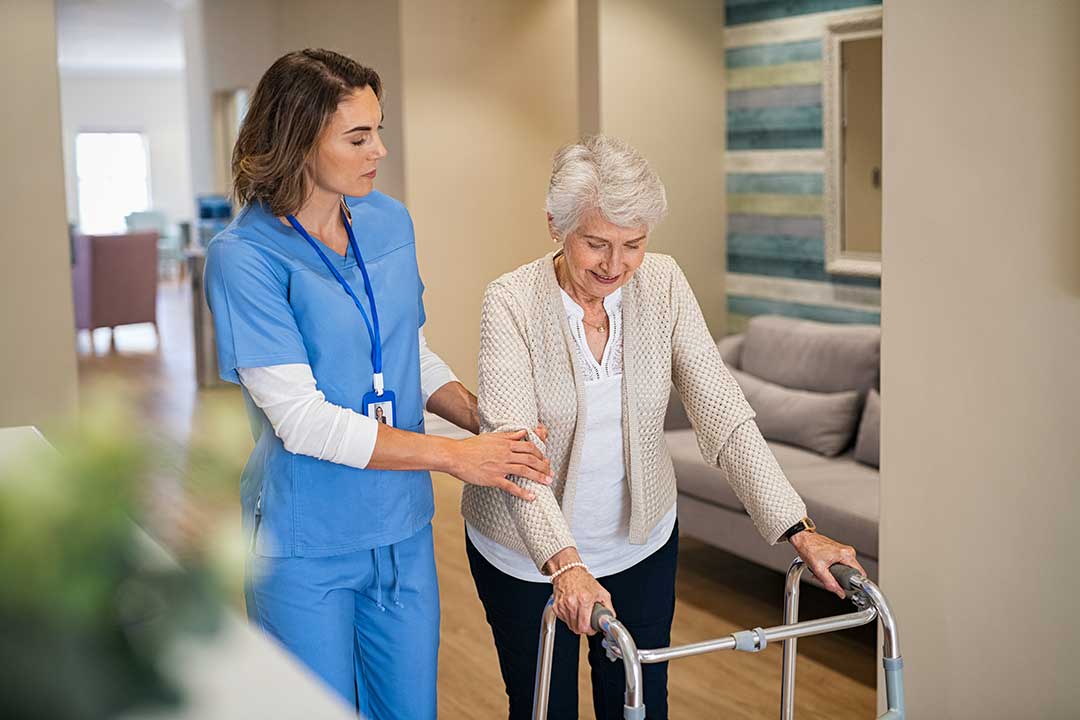
- Use of mobility aids (like canes or walkers) without proper adjustments
- Side effects from medications impacting alertness or blood pressure
Local weather can also play a role. For example, rain and snow during Pennsylvania winters can increase the risk of slipping at building entrances or on outdoor walks.
How Can Residents Make Living Spaces Safer?
Begin by addressing the most common hazards inside the living environment. Simple adaptations can protect against many of the most frequent accident scenarios:
- Ensure all areas are well-lit, using nightlights where necessary, particularly in bathrooms and corridors often used at night.
- Keep walkways clear of briefcases, shoes, electrical cords, and loose rugs.
- Consider adding grab bars in bathrooms—by toilets and inside showers—as well as sturdy railings on all stairs.
- Secure any mats or rugs with non-slip backing to limit sliding.
- Arrange furniture to allow wide, unobstructed pathways for walking.
Ask staff or family members for help with adjustments that require more effort, like moving heavy items or installing safety supports.
Are Specific Precautions Needed During Darby Winters?
Cold months in Darby can increase fall risk outside due to ice, snow, and wet surfaces. Residents should:
- Wear shoes or boots with good traction for any outdoor activity.
- Allow extra time when navigating sidewalks or parking lots after a storm.
- Use building handrails or support bars whenever possible.
- Be cautious around entranceways, where melting snow can make floors slippery.
During winter, staff in area facilities often place extra floor mats and may use salt or sand on walkways, but personal attentiveness remains important.
Which Health Factors Should Residents Monitor to Stay Steady?
Managing health conditions and checking medications plays a significant role in preventing falls. Residents should:
- Regularly review their list of medications with a healthcare provider to identify any that may increase dizziness or drowsiness.
- Monitor vision and hearing with routine check-ups, since changes can affect spatial awareness.
- Stay physically active to maintain balance, flexibility, and muscle strength. Even short daily walks or gentle exercises can help.
- Stay hydrated and eat regularly; feeling weak or light-headed increases risk.
If new symptoms like dizziness or unsteadiness appear, it's important to mention them to staff or family members for timely attention.
What Should Residents Do If They Feel Unsteady or Have Already Fallen?
Anyone who feels unsteady should avoid rushing and use available supports like walking aids or handrails, even for very short distances. If a fall occurs:
- If possible, remain calm and try to determine if there is pain or injury before attempting to stand.
- Use sturdy furniture or fixed railings to help rise slowly, if safe.
- Notify a caregiver or staff member immediately, even if the fall seems minor, to ensure no injuries go unnoticed.
Residents may sometimes feel embarrassed about reporting falls. However, open communication helps identify causes and adapt the living environment before further incidents occur.
Is There a Common Misconception About Falls in Assisted Living?
A frequent misconception is that falls only happen to those who are frail or who “aren’t careful.” In reality, most falls result from a small combination of health factors and environmental issues that are often beyond an individual’s control. Recognizing fall risk as a shared community challenge—rather than a sign of personal failure—can help everyone stay proactive and supportive.
