
What Do Volunteers Do in Assisted Living Communities?
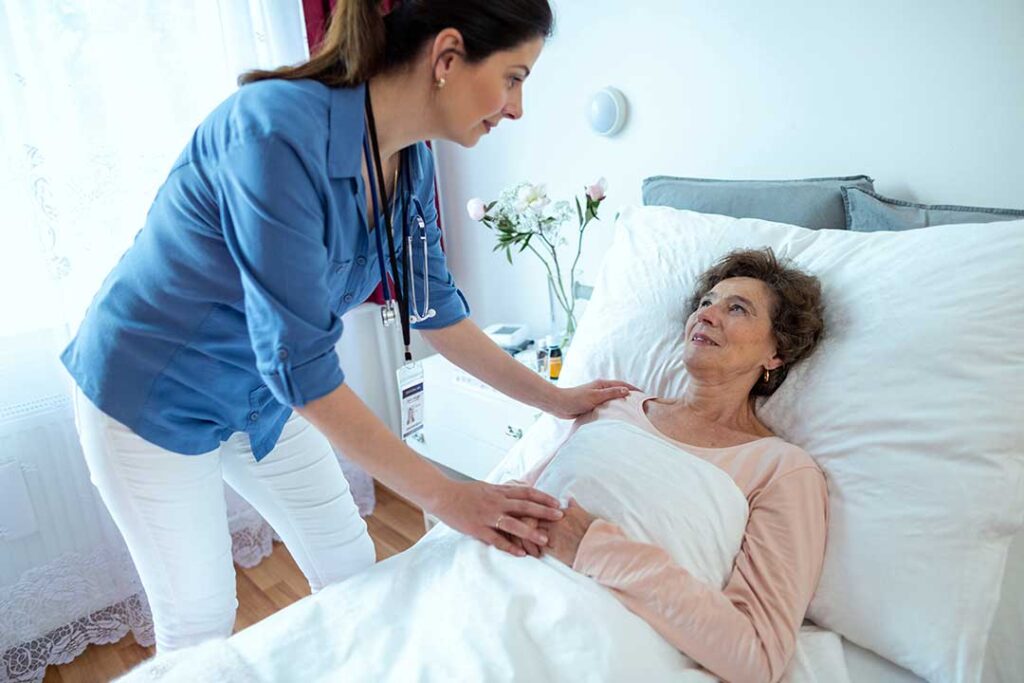
Volunteers play a hands-on role in assisted living, contributing time, compassion, and skills to support residents. Their presence supplements paid staff by helping with social activities, offering companionship, and assisting during events. This added support can enhance day-to-day experiences for those living in assisted living communities.
Some of the ways volunteers are typically involved include:
- Social visits and conversation to ease loneliness
- Helping organize and run games, arts, or music sessions
- Assisting residents during outings or walks
- Reading books or assisting with crafts
- Bringing in therapy animals for casual interaction
Volunteers do not replace trained caregivers or handle medical tasks; their main focus is fostering engagement and social connection.
Why Do Assisted Living Communities Value Volunteers?
Volunteers extend the reach of staff, making it possible for residents to enjoy more personalized attention and a fuller schedule of activities. Many residents benefit from hearing new stories, meeting different people, and rekindling hobbies with the help of a friendly volunteer, especially during seasonal events or holidays when family visits may be infrequent.
In Darby, volunteers often reflect the local community's diversity. This variety can make cultural celebrations and regular programs feel more inclusive and vibrant for residents of all backgrounds.
What Impact Do Volunteers Have on Residents’ Quality of Life?
Direct contact with volunteers helps residents feel less isolated, especially for those whose family lives far away. Volunteers tend to have time for one-on-one conversations or to help residents participate if mobility is an issue.
Residents often describe benefits such as:
- Increased sense of belonging
- More opportunities to do favorite activities
- Regular interaction beyond staff and family visits
- Greater participation in group programs
These positive changes can help reduce feelings of boredom, stress, or loneliness, leading to improved well-being.
Are Volunteers Trained Before Working in Assisted Living?
Volunteers are typically given orientation sessions before starting, focusing on understanding resident needs, safety basics, and expected behavior. Depending on the setting, training may include topics like confidentiality, mobility assistance, and respecting residents’ rights and privacy.
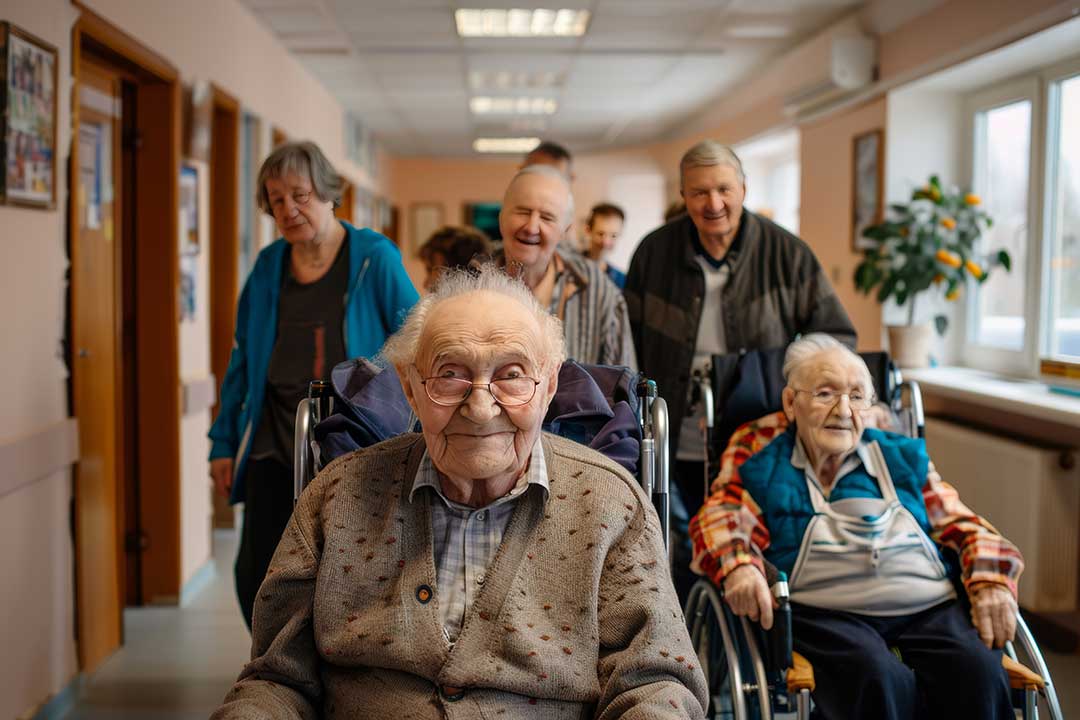
Volunteers are not allowed to handle medication, perform personal care, or make medical decisions. Their training is designed to ensure they can be effective helpers while maintaining the safety and dignity of all residents.
How Are Volunteers Matched With Residents or Activities?
Volunteers are usually matched to activities based on their interests, skills, and comfort level. For example, a volunteer who plays piano might lead music sessions, while others who enjoy gardening may help residents tend to outdoor planters.
Residents' input or preferences are sometimes considered when pairing volunteers for one-on-one visits. Some residents may request companionship for reading, card games, or reminiscing about local history and shared experiences in Darby.
Can Residents or Their Families Contribute as Volunteers?
Yes. Some households choose to give back by volunteering themselves, especially if a resident once worked or participated in a community group. Family members might help coordinate birthday celebrations, seasonal programs, or lead activities featuring local traditions. This participation can help maintain connections to the wider community, and allow families to share meaningful time together.
What Should Residents Expect From Volunteer Visits?
Volunteer visits are designed to be flexible, respectful, and supportive. Most visits are scheduled in advance so residents can decide if they’d like to participate. Volunteers follow guidelines that prioritize residents' comfort and interests.
If a resident prefers quiet company, a volunteer might simply sit nearby for friendly conversation. For more outgoing participants, volunteers might lead group crafts, puzzles, or share stories about local landmarks and community happenings. Residents can always opt in or out of activities based on their feelings and schedules.
Are There Misconceptions About the Role of Volunteers?
A common misconception is that volunteers take on critical caregiving or replace care staff. In reality, their primary contribution is to supplement social, emotional, and recreational aspects of daily life in assisted living. Volunteers are often considered “special guests” who enhance, not substitute, the care environment.
Another mistaken belief is that only younger people volunteer. In Darby, volunteers can span many age groups, including retirees, students, or neighbors who want to stay active in their community.
How Can Residents Feel Comfort With New Volunteers?
For many, meeting new people can be an adjustment. Local assisted living communities aim to introduce volunteers gradually, sometimes having staff or established volunteers join the first meeting. This helps create a relaxed, safe setting for both residents and volunteers.
If anyone ever feels uncomfortable, it’s encouraged to share feedback with the activities team. These steps help ensure positive, supportive experiences for all involved.
