
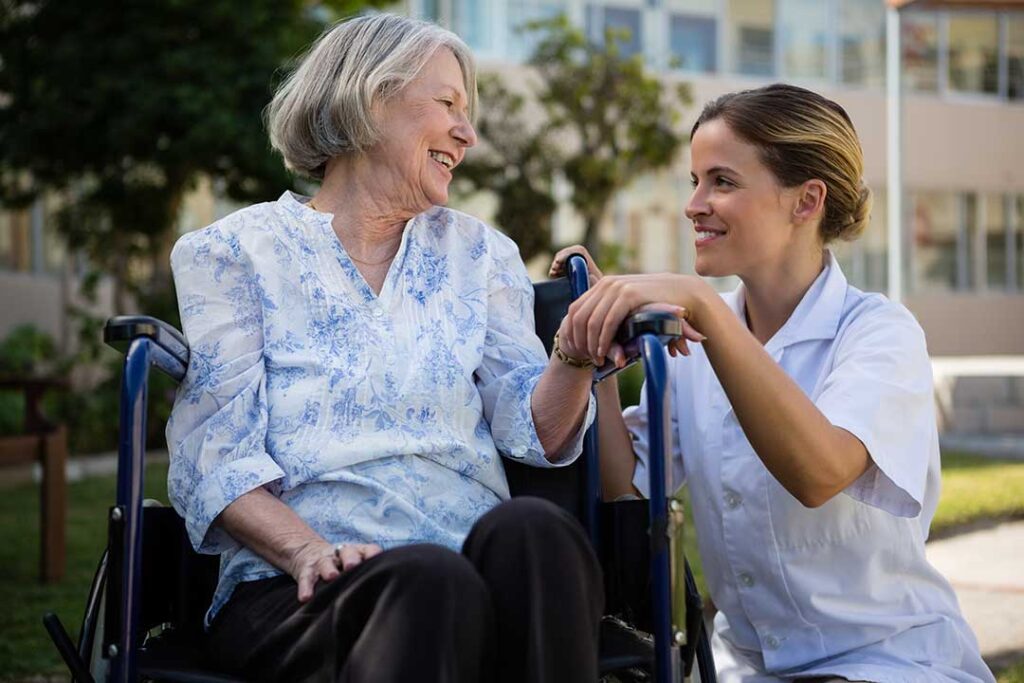
Seasonal activities can help assisted living residents stay active, connected, and emotionally engaged throughout the year. The most effective programs are not necessarily elaborate. They are familiar, adaptable, and designed around comfort, mobility, sensory needs, personal interests, and the changing weather in Darby, PA.
What makes a seasonal activity suitable for assisted living residents?
A suitable activity is safe, flexible, and meaningful to the people taking part. Residents should be able to participate while seated, take breaks, or observe without feeling excluded.
Activities tend to work well when they include:
- Simple instructions and a clear beginning and ending
- Options for standing, walking, or remaining seated
- Materials that are easy to see, hold, and manipulate
- Small-group and quieter alternatives
- Opportunities for conversation, reminiscence, creativity, or gentle movement
- Adjustments for hearing, vision, memory, and hand strength
Seasonal programming should also respect individual preferences. Some residents may enjoy lively group events, while others may prefer a quiet craft, a short outdoor visit, or listening to familiar music.
Which spring activities encourage movement and connection?
Spring is a useful time to reintroduce outdoor routines after colder weather. In Darby, spring conditions can change quickly, so outdoor plans should allow for cool temperatures, rain, damp walkways, and sudden shifts in comfort.
A short supervised walk or courtyard visit can provide fresh air without requiring strenuous exercise. Residents may enjoy looking for returning birds, identifying early flowers, or noticing changes in trees and daylight. For people who cannot walk outdoors, a window-viewing activity, nature photographs, or a table display of safe plants can provide similar conversation.
Other spring activities include:
- Planting herbs or flowers in raised containers
- Decorating small pots with paint or large-print labels
- Sorting seed packets by color or type
- Making simple spring cards for relatives
- Listening to music associated with spring celebrations
- Holding a “spring memories” conversation about past gardens, holidays, or family traditions
Gardening does not need to involve kneeling or outdoor labor. Residents can loosen soil, place seeds, water plants with a lightweight container, or simply choose colors and scents for a shared display.
How can summer activities remain safe and enjoyable?
Summer activities should focus on hydration, shade, ventilation, and timing. Outdoor programs are generally more comfortable during cooler morning or early evening periods rather than during the hottest part of the day.
A shaded patio or courtyard can support relaxed social time, but staff should monitor heat, humidity, sun exposure, and signs of fatigue. Residents may not always recognize or communicate that they are becoming overheated, especially if they have memory or communication difficulties.
Comfortable summer options include:
- Iced tea or flavored water tasting, with attention to dietary restrictions
- Seated balloon games or beach-ball activities
- Large-piece puzzles with outdoor or travel themes
- Listening to familiar summer music
- Shell, leaf, or fabric-texture sensory activities
- Watercolor painting using simple shapes and bright colors
- Reading short poems, travel stories, or newspaper features aloud
Water-based activities should be adapted carefully. A small tabletop activity, such as arranging floating objects in a basin, may offer sensory enjoyment without the risks of a swimming activity. Spills should be cleaned promptly to reduce slipping hazards.
Summer celebrations should also account for residents who become uncomfortable with noise, crowds, or strong sunlight. A smaller indoor gathering may be more enjoyable than a large event.
What are good fall activities for older adults?
Fall often supports reminiscence, crafts, food-related conversation, and gentle outdoor observation. Cooler air may make short outdoor visits more comfortable, but wet leaves, uneven surfaces, and earlier sunsets require attention.
Residents can participate in seasonal decorating without handling sharp tools or difficult materials. Large fabric leaves, paper shapes, artificial pumpkins, or fall-colored scarves can be used for table displays and group projects.
Ideas include:
- Creating a shared autumn collage
- Sorting leaves by color, shape, or texture
- Baking or discussing familiar seasonal recipes
- Hosting a storytelling group about school days or family gatherings
- Making centerpieces from paper, fabric, and battery-operated lights
- Taking a brief outdoor walk to observe changing foliage
- Listening to music connected with harvest or family traditions
Food activities should be inclusive. Some residents may have diabetes, swallowing concerns, food allergies, or texture limitations. A recipe discussion, scent activity, or demonstration may be more appropriate than serving every item being discussed.
Fall is also a helpful time to prepare for reduced daylight. Activities scheduled earlier in the day may support alertness and participation, while good lighting indoors can help residents see craft materials and move safely.
How can winter activities reduce isolation?
Winter activities can help residents maintain social contact when cold temperatures, precipitation, or limited daylight make outdoor time less practical. In Darby, winter conditions may also affect transportation and family visits, so indoor programming should include both group and individual options.

Comfortable winter activities may include:
- Familiar music and sing-alongs
- Large-print reading groups
- Knitting, folding, or other adapted hand activities
- Holiday or winter-themed card making
- Photo discussions about past celebrations
- Indoor walking routes with rest points
- Simple cooking demonstrations
- Board games adjusted for vision, hearing, or memory needs
Not every resident celebrates the same holidays. Programs should include secular winter themes and invite residents to share traditions without assuming that everyone observes a particular event.
Winter decorations should be placed carefully so that hallways, doorways, handrails, and emergency pathways remain clear. Small visual changes can be enjoyable, but excessive clutter may be confusing for residents living with dementia or visual impairment.
How should activities be adapted for memory loss or limited mobility?
Residents with memory loss may participate more comfortably when activities use familiar objects, repeated routines, and brief instructions. The goal is participation rather than completion. A resident does not need to follow every step correctly to benefit from touching materials, hearing conversation, or making a personal choice.
For limited mobility, activities can be brought to a seated position. Examples include:
- Folding towels or fabric squares
- Arranging large objects by color
- Watering a small plant
- Matching pictures or sounds
- Passing soft materials during a music activity
- Decorating a single card instead of completing a large project
For residents with vision or hearing changes, use high-contrast materials, large print, good lighting, reduced background noise, and visual demonstrations. Staff or family members should avoid rushing and should offer one instruction at a time.
What should families ask about seasonal programming?
Families can ask how activities are matched to residents’ abilities and interests, how outdoor safety is managed, and whether residents can participate in alternate ways. It is also useful to ask whether quieter options are available for people who do not enjoy large groups.
Questions may include:
- Are activities offered at different times of day?
- Can residents participate from a wheelchair or recliner?
- Are indoor alternatives available during poor weather?
- How are allergies, diets, and swallowing needs considered?
- Are cultural and religious preferences respected?
- Can residents suggest activities based on past hobbies?
- How are residents supported if they become tired or overstimulated?
Seasonal activities are most successful when they are treated as part of daily life rather than as isolated entertainment. A few minutes of conversation about the weather, a familiar song, a plant by the window, or a shared memory can provide meaningful engagement in any season.
